
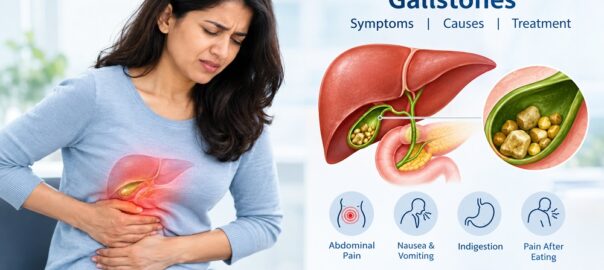
Gallstones are a common digestive problem that can affect people of different ages. Some people have gallstones without noticing any symptoms, while others may experience sudden and intense pain after eating. Knowing the signs early can help you understand when medical advice is needed.
If you have repeated abdominal pain, nausea, or discomfort after meals, consulting the Best Gastroenterologist in Rohini can help identify whether gallstones or another digestive condition may be responsible.
What Are Gallstones?
Gallstones are hard, stone-like deposits that develop inside the gallbladder. The gallbladder is a small organ located below the liver. Its main function is to store bile, a digestive fluid that helps the body break down fats.
Gallstones can vary in size. Some may be as small as grains of sand, while others can become as large as a golf ball. A person may have one gallstone or several stones at the same time.
There are two common types:
- Cholesterol stones: These are usually yellowish and develop when there is too much cholesterol in the bile.
- Pigment stones: These are darker and can form when there is excess bilirubin in the bile.
Not everyone with gallstones requires treatment. The approach generally depends on whether the stones are causing symptoms or complications.
What Causes Gallstones?
Gallstones can form when the balance of substances in bile changes. Several factors may increase the risk of developing them.
Common causes and risk factors include:
- Excess cholesterol in the bile
- Problems with gallbladder emptying
- Being overweight or having obesity
- Rapid weight loss
- A diet high in unhealthy fats
- Pregnancy
- Increasing age
- Family history of gallstones
- Certain medical conditions
- Some medications
Having one or more risk factors does not necessarily mean that you will develop gallstones. However, recurring digestive symptoms should not be ignored.
Symptoms of Gallstones
Many people have what are called “silent gallstones.” These stones may not cause any symptoms and are sometimes discovered accidentally during an ultrasound performed for another reason.
When gallstones block the flow of bile, symptoms may develop. A common symptom is biliary colic, which can cause sudden pain in the upper right or central part of the abdomen.
Other symptoms may include:
- Sudden abdominal pain
- Pain after eating, particularly after a heavy or fatty meal
- Pain that may spread to the right shoulder or back
- Nausea or vomiting
- Feeling unusually full or bloated
- Indigestion
- Sweating during a severe pain episode
If these symptoms occur repeatedly, it is worth discussing them with the Best Gastroenterologist in Rohini rather than assuming they are simply gas or acidity.
When Can Gallstones Become Serious?
Gallstones do not always cause problems. However, a stone can sometimes become lodged in a bile duct and interfere with the normal flow of bile. This may lead to complications that require prompt medical attention.
Seek medical care if you experience severe or persistent abdominal pain, especially when it is accompanied by:
- Fever or chills
- Repeated vomiting
- Yellowing of the eyes or skin
- Dark urine
- Pale-colored stools
- Significant tenderness in the abdomen
These symptoms may indicate complications such as inflammation of the gallbladder, bile duct blockage, or infection.
A timely evaluation by the Best Gastroenterologist in Pitampura can help determine the cause of these symptoms and whether further testing or treatment is required.
How Are Gallstones Diagnosed?
Your doctor may begin by asking about your symptoms, eating habits, medical history, and previous digestive problems. A physical examination may also be performed.
An abdominal ultrasound is commonly used to look for gallstones and assess the gallbladder. Depending on the symptoms and suspected complications, additional tests may sometimes be recommended.
These can include:
- Blood tests
- Liver function tests
- MRCP or other imaging studies
- CT scans in selected situations
- Endoscopic procedures when a bile duct stone is suspected
The appropriate test depends on the individual’s symptoms and clinical findings.
Do All Gallstones Need Treatment?
No. Gallstones that are discovered incidentally and are not causing symptoms may not require immediate treatment. Your doctor may recommend observation and follow-up depending on your situation.
Treatment becomes more relevant when gallstones cause repeated pain, inflammation, infection, bile duct obstruction, or other complications.
For people experiencing recurrent symptoms, consulting the Best Gastroenterologist in Rohini can help determine whether the symptoms are actually related to gallstones and what treatment approach may be appropriate.
Gallstone Treatment Options
Treatment depends on the location and size of the stones, symptoms, and whether complications are present.
Lifestyle and Dietary Changes
If gallstones are not causing significant symptoms, your doctor may recommend maintaining a healthy weight and following a balanced diet. Reducing very fatty and heavily fried foods may also help some people manage digestive discomfort.
However, dietary changes do not necessarily remove existing gallstones.
Medicines
In selected cases, medications may be considered to dissolve certain cholesterol gallstones. This approach is not suitable for everyone and may take a long time. Gallstones can also return after treatment.
Surgery
When gallstones repeatedly cause symptoms or complications, removal of the gallbladder may be recommended. This procedure is commonly performed using minimally invasive laparoscopic techniques.
The decision for surgery should be based on an individual’s symptoms, test results, overall health, and the advice of their treating doctor.
A consultation with the Best Gastroenterologist in Pitampura can help patients understand whether monitoring, medical management, or a surgical opinion may be appropriate.
Can Gallstones Be Prevented?
Not every case of gallstones can be prevented, but certain healthy habits may reduce the risk.
Consider:
- Maintaining a healthy body weight
- Avoiding crash diets and very rapid weight loss
- Eating a balanced diet with adequate fibre
- Including healthy sources of fats in moderation
- Staying physically active
- Managing conditions such as diabetes and high cholesterol with medical guidance
Small, consistent lifestyle changes are generally more sustainable than extreme dieting.
When Should You See a Gastroenterologist?
Occasional indigestion does not necessarily mean you have gallstones. However, repeated upper abdominal pain, especially after meals, deserves proper evaluation.
If you experience recurring pain beneath the right ribs, nausea after fatty meals, unexplained vomiting, or symptoms such as jaundice, do not rely on self-diagnosis. A consultation with the Best Gastroenterologist in Rohini can help identify the underlying cause and guide you toward appropriate care.
Similarly, patients living around Pitampura with persistent digestive symptoms can consult the Best Gastroenterologist in Pitampura for an evaluation and personalized treatment plan.
Final Thoughts
Gallstones can remain completely unnoticed in some people, while in others they can cause painful and sometimes serious complications. Recognizing the symptoms and getting the right diagnosis is important, particularly when abdominal pain keeps returning.
If you are experiencing symptoms that may be related to gallstones, speak with the Best Gastroenterologist in Rohini or a qualified gastroenterology specialist in your area. Early evaluation can help determine whether the symptoms are caused by gallstones or another digestive condition and whether treatment is necessary.