All posts by DUniqueT_Admin

Gastroentrologist in Rohini

Gallstones: Symptoms, Causes and When Treatment Is Needed

Gallstones are a common digestive problem that can affect people of different ages. Some people have gallstones without noticing any symptoms, while others may experience sudden and intense pain after eating. Knowing the signs early can help you understand when medical advice is needed.

If you have repeated abdominal pain, nausea, or discomfort after meals, consulting the Best Gastroenterologist in Rohini can help identify whether gallstones or another digestive condition may be responsible.

What Are Gallstones?

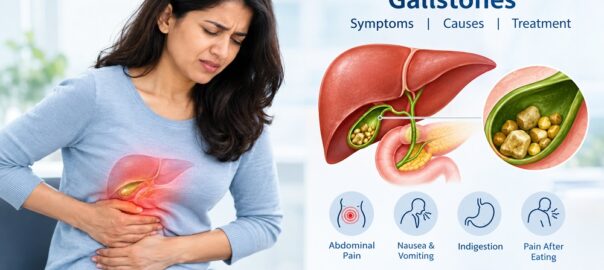
Gallstones are hard, stone-like deposits that develop inside the gallbladder. The gallbladder is a small organ located below the liver. Its main function is to store bile, a digestive fluid that helps the body break down fats.

Gallstones can vary in size. Some may be as small as grains of sand, while others can become as large as a golf ball. A person may have one gallstone or several stones at the same time.

There are two common types:

  • Cholesterol stones: These are usually yellowish and develop when there is too much cholesterol in the bile.
  • Pigment stones: These are darker and can form when there is excess bilirubin in the bile.

Not everyone with gallstones requires treatment. The approach generally depends on whether the stones are causing symptoms or complications.

What Causes Gallstones?

Gallstones can form when the balance of substances in bile changes. Several factors may increase the risk of developing them.

Common causes and risk factors include:

  • Excess cholesterol in the bile
  • Problems with gallbladder emptying
  • Being overweight or having obesity
  • Rapid weight loss
  • A diet high in unhealthy fats
  • Pregnancy
  • Increasing age
  • Family history of gallstones
  • Certain medical conditions
  • Some medications

Having one or more risk factors does not necessarily mean that you will develop gallstones. However, recurring digestive symptoms should not be ignored.

Symptoms of Gallstones

Many people have what are called “silent gallstones.” These stones may not cause any symptoms and are sometimes discovered accidentally during an ultrasound performed for another reason.

When gallstones block the flow of bile, symptoms may develop. A common symptom is biliary colic, which can cause sudden pain in the upper right or central part of the abdomen.

Other symptoms may include:

  • Sudden abdominal pain
  • Pain after eating, particularly after a heavy or fatty meal
  • Pain that may spread to the right shoulder or back
  • Nausea or vomiting
  • Feeling unusually full or bloated
  • Indigestion
  • Sweating during a severe pain episode

If these symptoms occur repeatedly, it is worth discussing them with the Best Gastroenterologist in Rohini rather than assuming they are simply gas or acidity.

When Can Gallstones Become Serious?

Gallstones do not always cause problems. However, a stone can sometimes become lodged in a bile duct and interfere with the normal flow of bile. This may lead to complications that require prompt medical attention.

Seek medical care if you experience severe or persistent abdominal pain, especially when it is accompanied by:

  • Fever or chills
  • Repeated vomiting
  • Yellowing of the eyes or skin
  • Dark urine
  • Pale-colored stools
  • Significant tenderness in the abdomen

These symptoms may indicate complications such as inflammation of the gallbladder, bile duct blockage, or infection.

A timely evaluation by the Best Gastroenterologist in Pitampura can help determine the cause of these symptoms and whether further testing or treatment is required.

How Are Gallstones Diagnosed?

Your doctor may begin by asking about your symptoms, eating habits, medical history, and previous digestive problems. A physical examination may also be performed.

An abdominal ultrasound is commonly used to look for gallstones and assess the gallbladder. Depending on the symptoms and suspected complications, additional tests may sometimes be recommended.

These can include:

  • Blood tests
  • Liver function tests
  • MRCP or other imaging studies
  • CT scans in selected situations
  • Endoscopic procedures when a bile duct stone is suspected

The appropriate test depends on the individual’s symptoms and clinical findings.

Do All Gallstones Need Treatment?

No. Gallstones that are discovered incidentally and are not causing symptoms may not require immediate treatment. Your doctor may recommend observation and follow-up depending on your situation.

Treatment becomes more relevant when gallstones cause repeated pain, inflammation, infection, bile duct obstruction, or other complications.

For people experiencing recurrent symptoms, consulting the Best Gastroenterologist in Rohini can help determine whether the symptoms are actually related to gallstones and what treatment approach may be appropriate.

Gallstone Treatment Options

Treatment depends on the location and size of the stones, symptoms, and whether complications are present.

Lifestyle and Dietary Changes

If gallstones are not causing significant symptoms, your doctor may recommend maintaining a healthy weight and following a balanced diet. Reducing very fatty and heavily fried foods may also help some people manage digestive discomfort.

However, dietary changes do not necessarily remove existing gallstones.

Medicines

In selected cases, medications may be considered to dissolve certain cholesterol gallstones. This approach is not suitable for everyone and may take a long time. Gallstones can also return after treatment.

Surgery

When gallstones repeatedly cause symptoms or complications, removal of the gallbladder may be recommended. This procedure is commonly performed using minimally invasive laparoscopic techniques.

The decision for surgery should be based on an individual’s symptoms, test results, overall health, and the advice of their treating doctor.

A consultation with the Best Gastroenterologist in Pitampura can help patients understand whether monitoring, medical management, or a surgical opinion may be appropriate.

Can Gallstones Be Prevented?

Not every case of gallstones can be prevented, but certain healthy habits may reduce the risk.

Consider:

  • Maintaining a healthy body weight
  • Avoiding crash diets and very rapid weight loss
  • Eating a balanced diet with adequate fibre
  • Including healthy sources of fats in moderation
  • Staying physically active
  • Managing conditions such as diabetes and high cholesterol with medical guidance

Small, consistent lifestyle changes are generally more sustainable than extreme dieting.

When Should You See a Gastroenterologist?

Occasional indigestion does not necessarily mean you have gallstones. However, repeated upper abdominal pain, especially after meals, deserves proper evaluation.

If you experience recurring pain beneath the right ribs, nausea after fatty meals, unexplained vomiting, or symptoms such as jaundice, do not rely on self-diagnosis. A consultation with the Best Gastroenterologist in Rohini can help identify the underlying cause and guide you toward appropriate care.

Similarly, patients living around Pitampura with persistent digestive symptoms can consult the Best Gastroenterologist in Pitampura for an evaluation and personalized treatment plan.

Final Thoughts

Gallstones can remain completely unnoticed in some people, while in others they can cause painful and sometimes serious complications. Recognizing the symptoms and getting the right diagnosis is important, particularly when abdominal pain keeps returning.

If you are experiencing symptoms that may be related to gallstones, speak with the Best Gastroenterologist in Rohini or a qualified gastroenterology specialist in your area. Early evaluation can help determine whether the symptoms are caused by gallstones or another digestive condition and whether treatment is necessary.
digestive health

Shielding Your Digestive Health: Preventive Measures

Importance of Digestive Health

A healthy digestive system ensures overall well-being. It helps in nutrient absorption, waste elimination, and immune function. Poor digestion leads to discomfort, bloating, and other health issues.

Eat a Balanced Diet

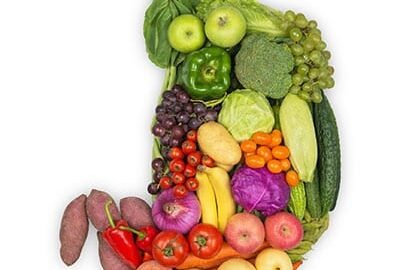
Your diet plays a crucial role in maintaining gut health. Include fiber-rich foods, lean proteins, and healthy fats. Whole grains, vegetables, and fruits support digestion. Avoid processed foods, excess sugar, and unhealthy fats.

Stay Hydrated

Water aids digestion by softening stool and preventing constipation. Herbal teas and fresh fruit juices also contribute to hydration. Limit caffeinated and sugary beverages, as they may cause dehydration.

Incorporate Probiotics and Prebiotics

Probiotics introduce beneficial bacteria into your gut. Yogurt, kefir, and fermented foods are great sources. Prebiotics, found in bananas, onions, and garlic, nourish these good bacteria.

Exercise Regularly

Physical activity enhances digestion by stimulating intestinal movement. Walking, yoga, and other light exercises improve gut health. Avoid prolonged sitting, as it slows digestion and leads to bloating.

Manage Stress Effectively

Stress negatively impacts digestive health. Practice meditation, deep breathing, or hobbies to stay relaxed. Prioritizing mental well-being reduces digestive issues like acid reflux and irritable bowel syndrome.

Get Enough Sleep

Sleep is essential for digestive balance. Poor sleep disrupts gut bacteria, leading to digestive discomfort. Maintain a consistent sleep schedule and create a relaxing bedtime routine.

Avoid Overuse of Medications

Excessive antibiotics and painkillers harm gut bacteria. Always consult a doctor before prolonged medication use. Opt for natural remedies when possible.

Practice Good Hygiene

Wash hands before meals to prevent infections. Ensure food is properly washed and cooked. Avoid contaminated water and food from unreliable sources.

Listen to Your Body

Recognize early signs of digestive issues like bloating, pain, or irregular bowel movements. Seek medical advice if symptoms persist. Preventive care helps avoid severe complications.

Conclusion

A healthy gut contributes to overall well-being. Follow these preventive measures to maintain optimal digestive health. Prioritize a balanced diet, hydration, and stress management for long-term benefits.

Irritable Bowel Syndrome

Understanding Irritable Bowel Syndrome (IBS): Causes, Symptoms, and Treatment

Understanding Irritable Bowel Syndrome (IBS): Causes, Symptoms, and Treatment

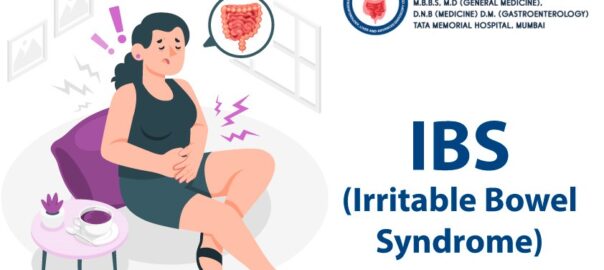
Irritable Bowel Syndrome (IBS) is a common gastrointestinal disorder that affects the large intestine. It is a chronic condition that can cause a range of uncomfortable symptoms, including abdominal pain, bloating, and changes in bowel habits. While the exact cause of IBS is unknown, there are several factors that are believed to contribute to its development.

Causes of Irritable Bowel Syndrome

While the exact cause of IBS is not fully understood, researchers believe that it is a combination of several factors. These factors can include:

  • Abnormalities in the gut: Some studies suggest that people with IBS may have an oversensitive or hyperactive gut, which can lead to increased pain and discomfort.
  • Changes in gut bacteria: The balance of bacteria in the gut may play a role in the development of IBS. Imbalances in gut bacteria can lead to increased inflammation and symptoms.
  • Food intolerances: Certain foods, such as dairy products, caffeine, and artificial sweeteners, can trigger symptoms in some people with IBS.
  • Stress and mental health: Stress and anxiety can worsen symptoms of IBS. The gut and brain are closely connected, and emotional distress can affect the functioning of the digestive system.
  • Hormonal changes: Women are more likely to develop IBS, suggesting that hormonal changes may play a role in the condition.

Symptoms of Irritable Bowel Syndrome

The symptoms of IBS can vary from person to person, but the most common symptoms include:

  • Abdominal pain or cramping: This is often the most noticeable symptom of IBS. The pain can range from mild to severe and may be relieved by a bowel movement.
  • Bloating and gas: Many people with IBS experience bloating and excessive gas. This can cause discomfort and a feeling of fullness.
  • Diarrhea or constipation: IBS can cause changes in bowel habits, leading to either frequent loose stools or infrequent, hard stools.
  • Mucus in the stool: Some people with IBS may notice mucus in their stools. This is usually not a cause for concern, but it can be a symptom of IBS.
  • Fatigue: Chronic fatigue is a common symptom of IBS. It can be caused by the physical and emotional toll of living with the condition.

Treatment of Irritable Bowel Syndrome

While there is no cure for IBS, there are several treatment options available to help manage the symptoms and improve quality of life. Treatment plans are often tailored to the individual and may include a combination of the following:

  • Dietary changes: Avoiding trigger foods and following a low FODMAP diet can help reduce symptoms. FODMAPs are a group of carbohydrates that can be poorly absorbed in the gut and may trigger IBS symptoms.
  • Stress management: Learning stress management techniques, such as deep breathing exercises or meditation, can help reduce the impact of stress on the digestive system.
  • Medications: Over-the-counter medications, such as antispasmodics and laxatives, can help relieve symptoms. In some cases, prescription medications may be necessary to manage more severe symptoms.
  • Probiotics: Taking probiotics, which are beneficial bacteria, may help restore the balance of gut bacteria and reduce symptoms.
  • Alternative therapies: Some people find relief from IBS symptoms through alternative therapies such as acupuncture, hypnotherapy, or herbal remedies. However, it is important to consult with a gastroenterologist in Rohini before trying any alternative treatments.

Conclusion

Irritable Bowel Syndrome is a chronic condition that can significantly impact a person’s quality of life. While the exact cause is unknown, there are several factors that are believed to contribute to its development. The symptoms of IBS can vary from person to person, but the most common symptoms include abdominal pain, bloating, and changes in bowel habits. While there is no cure for IBS, there are several treatment options available to help manage the symptoms and improve quality of life. It may take some time and experimentation to find the right combination of treatments, but with the help of a gastroenterologist in Pitampura, it is possible to find relief from the symptoms of IBS.

digestive health

Strategies for Shielding Your Digestive Health

Introduction

When it comes to maintaining overall health, we often focus on factors such as exercise, nutrition, and mental well-being. However, one important aspect that is often overlooked is digestive health. Our digestive system plays a crucial role in breaking down food, absorbing nutrients, and eliminating waste. In order to ensure optimal digestive health, it is important to take preventive measures. In this article, we will explore some key strategies for shielding your digestive health.

1. Follow a Balanced Diet

A balanced diet is essential for maintaining good digestive health. It is important to include a variety of fruits, vegetables, whole grains, lean proteins, and healthy fats in your diet. These foods provide essential nutrients, fiber, and antioxidants that support the digestive system. Avoiding excessive consumption of processed foods, sugary snacks, and greasy foods can also help prevent digestive issues such as bloating, gas, and indigestion.

2. Stay Hydrated

Drinking an adequate amount of water is crucial for proper digestion. Water helps to soften stools, making them easier to pass and preventing constipation. It also aids in the absorption of nutrients and the elimination of waste. Aim to drink at least 8 glasses of water per day, and increase your intake if you are physically active or in hot weather.

3. Manage Stress

Stress can have a negative impact on digestive health. When we are stressed, our body’s natural response is to enter “fight or flight” mode, which can disrupt the normal functioning of the digestive system. This can lead to symptoms such as stomachaches, diarrhea, and constipation. Finding healthy ways to manage stress, such as practicing meditation, yoga, or deep breathing exercises, can help support a healthy digestive system.

4. Exercise Regularly

Regular exercise not only benefits your overall health, but it can also support good digestive health. Physical activity helps to stimulate the muscles of the digestive tract, promoting regular bowel movements and preventing constipation. It can also help to reduce stress and improve mood, which can have a positive impact on digestion. Aim for at least 30 minutes of moderate-intensity exercise most days of the week.

5. Limit Alcohol and Caffeine

Excessive consumption of alcohol and caffeine can irritate the lining of the stomach and intestines, leading to digestive issues such as acid reflux, stomach ulcers, and diarrhea. It is important to consume these substances in moderation and be mindful of their effects on your digestive health. If you are prone to digestive issues, it may be beneficial to limit or avoid alcohol and caffeine altogether.

6. Get Enough Sleep

Sleep plays a vital role in overall health, including digestive health. Lack of sleep can disrupt the normal functioning of the digestive system, leading to issues such as indigestion, bloating, and constipation. Aim for 7-9 hours of quality sleep each night to support optimal digestion and overall well-being.

7. Practice Good Food Hygiene

Practicing good food hygiene is essential for preventing digestive infections and foodborne illnesses. Wash your hands thoroughly before handling food, cook meats and eggs thoroughly, and store perishable foods at the correct temperature. Avoid consuming expired or contaminated foods, as they can lead to digestive issues such as food poisoning.

8. Listen to Your Body

One of the most important preventive measures for digestive health is listening to your body’s cues. Pay attention to how different foods make you feel and make adjustments accordingly. If you notice that certain foods consistently cause digestive discomfort, it may be beneficial to avoid or limit them. Trust your body’s signals and make choices that support your individual digestive health needs.

Conclusion

Shielding your digestive health requires a proactive approach and a commitment to making healthy choices. By following a balanced diet, staying hydrated, managing stress, exercising regularly, limiting alcohol and caffeine, getting enough sleep, practicing good food hygiene, and listening to your body, you can take preventive measures to support optimal digestive health. Remember, small changes can make a big difference in the long run. Prioritize your digestive health and reap the benefits of a well-functioning digestive system.

digestive health

“Protecting and Improving Digestive Health: Preventive Measures for Optimal Well-being”

Introduction

Digestive health is a crucial aspect of our overall well-being. A healthy digestive system ensures proper nutrient absorption and waste elimination, which are essential for maintaining optimal health. However, in today’s fast-paced and stressful lifestyle, our digestive health often takes a backseat. Here in this blog post gastroenterologist in Rohini will discuss some preventive measures that can help shield and improve your digestive health.

1. Maintain a Healthy Diet

A healthy diet is the foundation of good digestive health. Include a variety of fruits, vegetables, whole grains, lean proteins, and healthy fats in your meals. These foods are rich in fiber, antioxidants, and essential nutrients that promote a healthy digestive system. Avoid processed foods, sugary snacks, and excessive consumption of fatty or fried foods, as they can disrupt the natural balance of your gut.

2. Stay Hydrated

Adequate hydration is essential for maintaining a healthy digestive system. Water helps in the digestion and absorption of nutrients, prevents constipation, and flushes out toxins from the body. Aim to drink at least 8 glasses of water per day. You can also include herbal teas and natural fruit juices to add variety to your fluid intake.

3. Practice Portion Control

Overeating can put a strain on your digestive system. Practice portion control and listen to your body’s hunger and fullness cues. Eating smaller, frequent meals throughout the day instead of large, heavy meals can help improve digestion and prevent discomfort such as bloating and indigestion.

4. Manage Stress

Stress can have a significant impact on your digestive health. When you’re stressed, your body releases stress hormones that can disrupt the normal functioning of your digestive system. Find healthy ways to manage stress, such as practicing yoga, meditation, deep breathing exercises, or engaging in activities that you enjoy. Prioritizing self-care and relaxation can go a long way in promoting a healthy digestive system.

5. Exercise Regularly

Regular physical activity not only benefits your overall health but also plays a crucial role in maintaining a healthy digestive system. Exercise helps stimulate the muscles in your digestive tract, promoting regular bowel movements and preventing constipation. Aim for at least 30 minutes of moderate-intensity exercise, such as brisk walking, cycling, or swimming, most days of the week.

6. Get Sufficient Sleep

Sleep is often overlooked when it comes to digestive health, but it plays a vital role in maintaining a healthy gut. Lack of sleep can disrupt the balance of your gut bacteria and lead to digestive issues. Aim for 7-8 hours of quality sleep each night to allow your body to repair and rejuvenate.

7. Limit Alcohol and Caffeine

Excessive consumption of alcohol and caffeine can irritate the lining of your digestive system and disrupt its normal functioning. Limit your intake of alcoholic beverages and caffeine-containing drinks like coffee and soda. Instead, opt for herbal teas or decaffeinated alternatives.

Conclusion

Taking preventive measures to shield your digestive health is essential for overall well-being. By following a healthy diet, staying hydrated, practicing portion control, managing stress, exercising regularly, getting sufficient sleep, and limiting alcohol and caffeine, you can promote a healthy digestive system. Remember, small lifestyle changes can make a significant difference in your digestive health. Prioritize your well-being and take care of your gut.